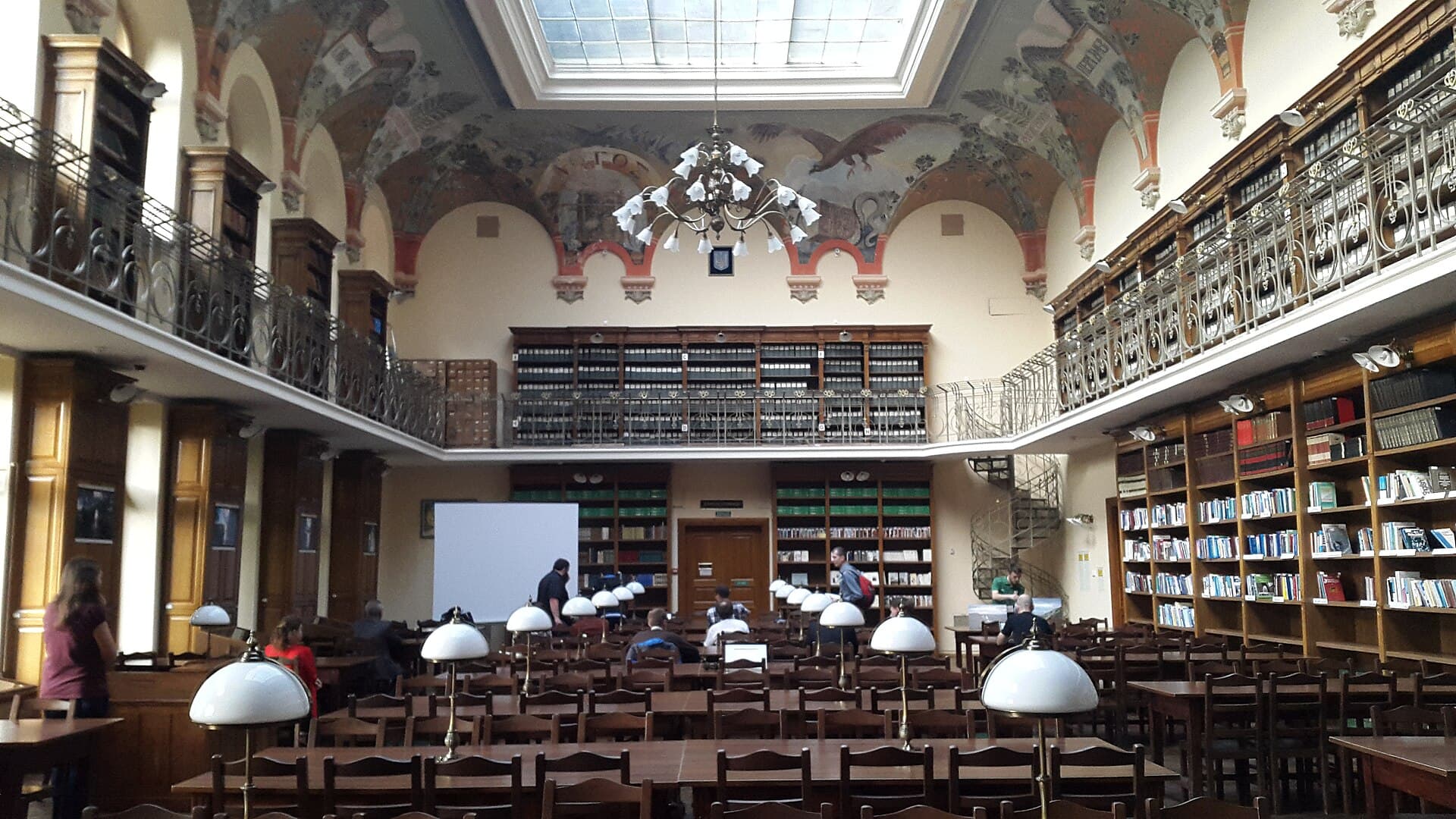
The main reading hall of the Ivan Franko National University Scientific Library in Lviv — painted vaulted ceilings, gallery balconies of books, and readers at work under a skylight

The Journal · Dispatch № 001 · The cost of war

Gone, Not Forgotten

Four years of war have burned Ukraine’s churches, museums, libraries, and printing houses. A timeline of what has been lost — and the books that remember it.

By the LumiLexicon Desk · · 15 min read

The reading hall of the Ivan Franko University Scientific Library, Lviv. Photo: Olena Zakharian · CC BY-SA 4.0 · via Wikimedia Commons

When a war is tallied, we count what can be counted: power plants, bridges, apartment blocks, gas stations. Those losses are terrible, and they are also replaceable. The other losses are harder to write down. A church that stood for three centuries is not infrastructure. Neither is a monastery, a museum, an archive, or a small-town library. They are memory, kept in buildings — and buildings burn.

Ukraine holds some of the deepest layers of that memory in Europe: the mosaics of Kyivan Rus, wooden churches raised without a single nail, the synagogues and printing houses of a dozen vanished empires, manuscript collections that survived the Mongols, the tsars, and the Soviet century. Since February 2022, that inheritance has been under fire — sometimes as collateral, sometimes, by every appearance, as the target.

We build software for cataloging books, so we see one narrow corner of this clearly: when a place is destroyed, the record of it is what remains. What follows is a timeline of what has been lost or put at risk — drawn from the reporting cited throughout, and from UNESCO’s verified count, which passed five hundred sites this summer — and, beside each loss, the books that keep it. The places may be gone. They are not forgotten.

Where it happened

Every mark is an entry in the timeline that follows.

Black SeaKyivLvivChernihivKharkivOdesaKhersonMariupol

18 events mapped — hover a mark for the story, click to jump to it.Boundary: geoBoundaries · CC BY 4.0

The ledger, so far

541

Cultural sites damaged

Verified by UNESCO as of July 15, 2026

156

Religious sites

Churches, monasteries & synagogues in UNESCO’s count

879

Libraries damaged

Ministry of Culture of Ukraine, May 2026

287

Culture makers killed

PEN Ukraine’s Directory of Losses, July 2026

UNESCO’s tally is a verified minimum — beside the religious sites it counts 281 buildings of historical or artistic interest, 43 museums, 33 monuments, 22 libraries, 5 archaeological sites, and one archive. Ukraine’s Ministry of Culture, counting under its broader national standard, reports 1,783 damaged heritage sites and 2,540 damaged cultural facilities. PEN Ukraine calls its directory neither official nor exhaustive.

2022

Ivankiv, Kyiv region

Ivankiv Historical and Local History Museum

The museum burned in the invasion’s opening days. It held twenty-five paintings by Maria Prymachenko, the self-taught folk artist whose work Picasso admired. The museum’s guard and his wife, helped by neighbors, went into the burning building and carried fourteen of them out. The building was lost; the rescued paintings have since traveled to exhibitions around the world.

Reported by The Art Newspaper · Euromaidan Press
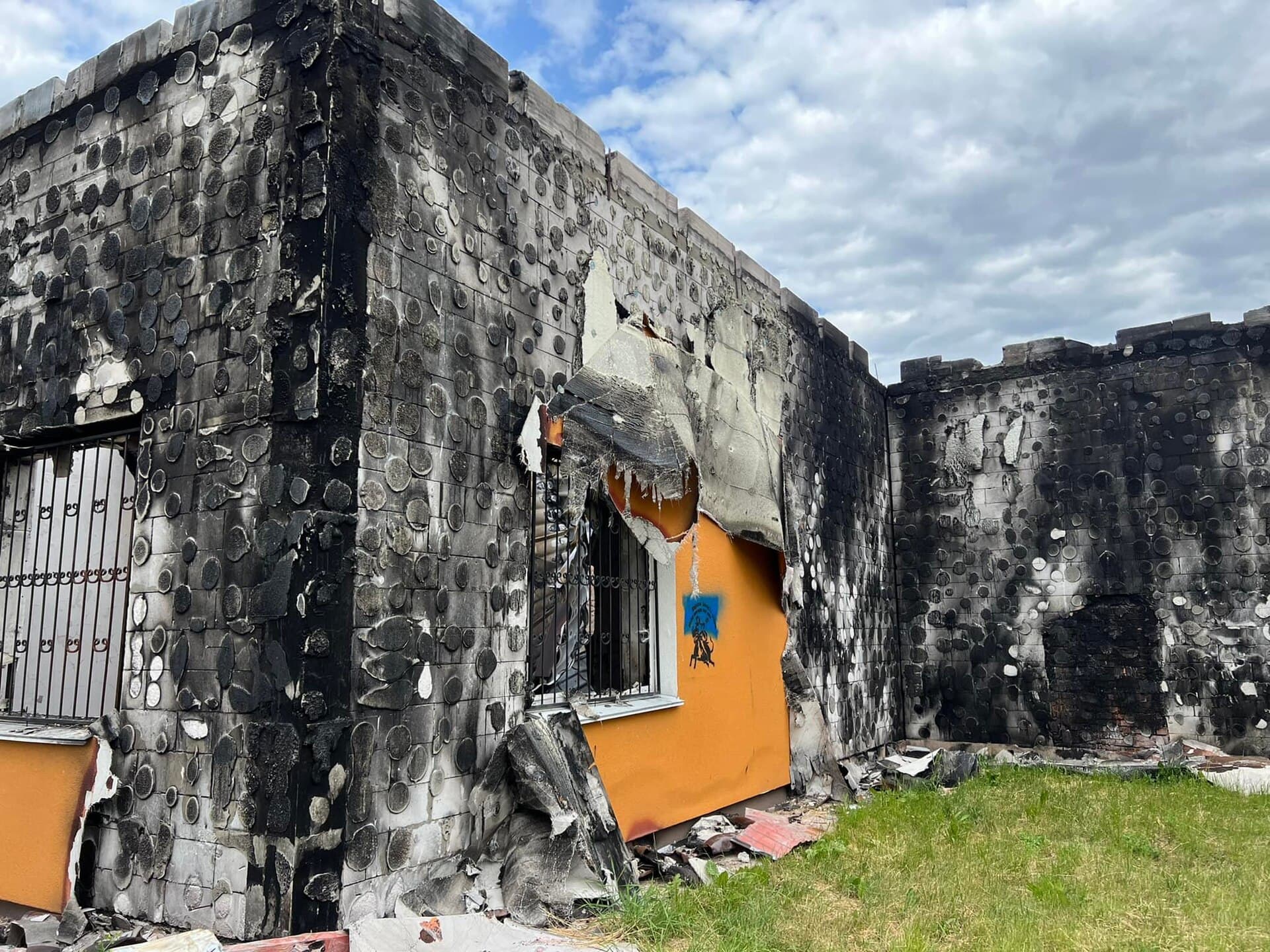
The burned shell of the Ivankiv Historical and Local History Museum
The Ivankiv museum, photographed in June 2022. Ministry of Culture of Ukraine · CC BY 4.0

From the shelves

Her largest show was staged in answer to this fire.

Maria Prymachenko: Glory to Ukraine

Rodovid Press · The Ukrainian Museum · 2023

Cover of Treasures of Ukraine

Treasures of Ukraine

Foreword by Andrey Kurkov · 2022

Kyiv

The TV tower at Babyn Yar

Missiles aimed at Kyiv’s television tower fell on the grounds of Babyn Yar, the ravine where more than 33,000 of Kyiv’s Jews were murdered in two days in September 1941. Five people were killed and buildings on the memorial’s territory were damaged; the monuments themselves survived. A place consecrated to the memory of one atrocity became, that week, evidence in another.

Reported by NPR · The Times of Israel

From the shelves

The eyewitness account, complete and uncensored.

Cover of Babi Yar: A Document in the Form of a Novel

Babi Yar: A Document in the Form of a Novel

Anatoly Kuznetsov · 1970

Chernihiv

The Tarnovsky building & the Korolenko Library

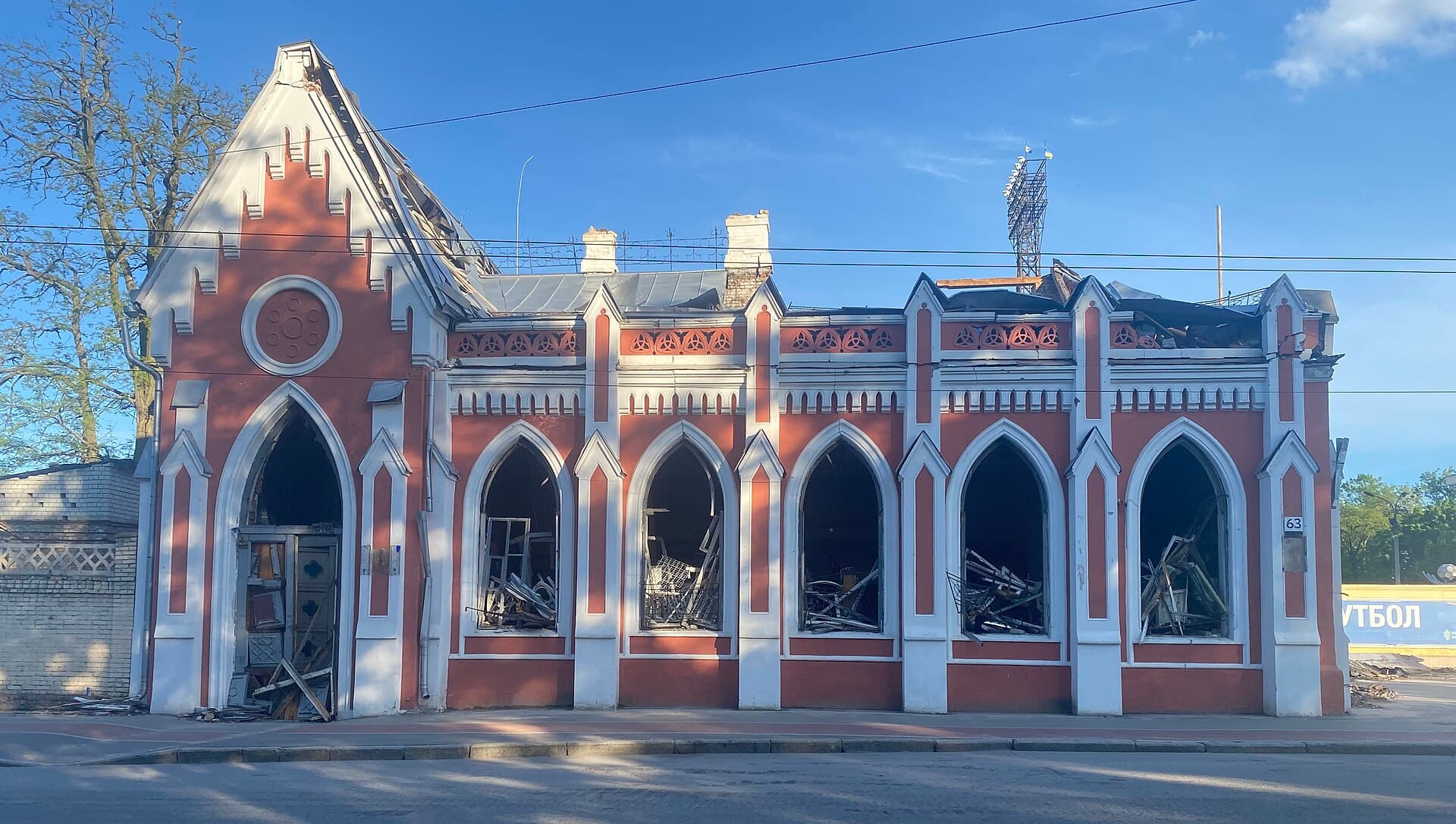
Chernihiv is a thousand-year-old city, and its youth library occupied one of its best-loved buildings — the 1902 Gothic Revival hall built for the Tarnovsky Museum of Ukrainian Antiquities. Bombardment on March 11 tore off the roof and most of the walls; librarians salvaged books from the ruins. At the month’s end, in the last mass shelling before Russian forces withdrew from the region, the city’s Korolenko regional library — founded 1877 — had its roof pierced and its windows blown out as well.

Reported by The Art Newspaper · Ministry of Culture of Ukraine

The Gothic Revival Tarnovsky building in Chernihiv with its roof and upper walls destroyed
The Tarnovsky building after the March 11 airstrike. Dimma837 · CC0

From the shelves

What a library is — and a diary of these same weeks.

Cover of The Library: A Fragile History

The Library: A Fragile History

Andrew Pettegree & Arthur der Weduwen · 2021

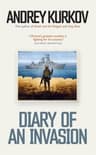
Cover of Diary of an Invasion

Diary of an Invasion

Andrey Kurkov · 2022

Mariupol

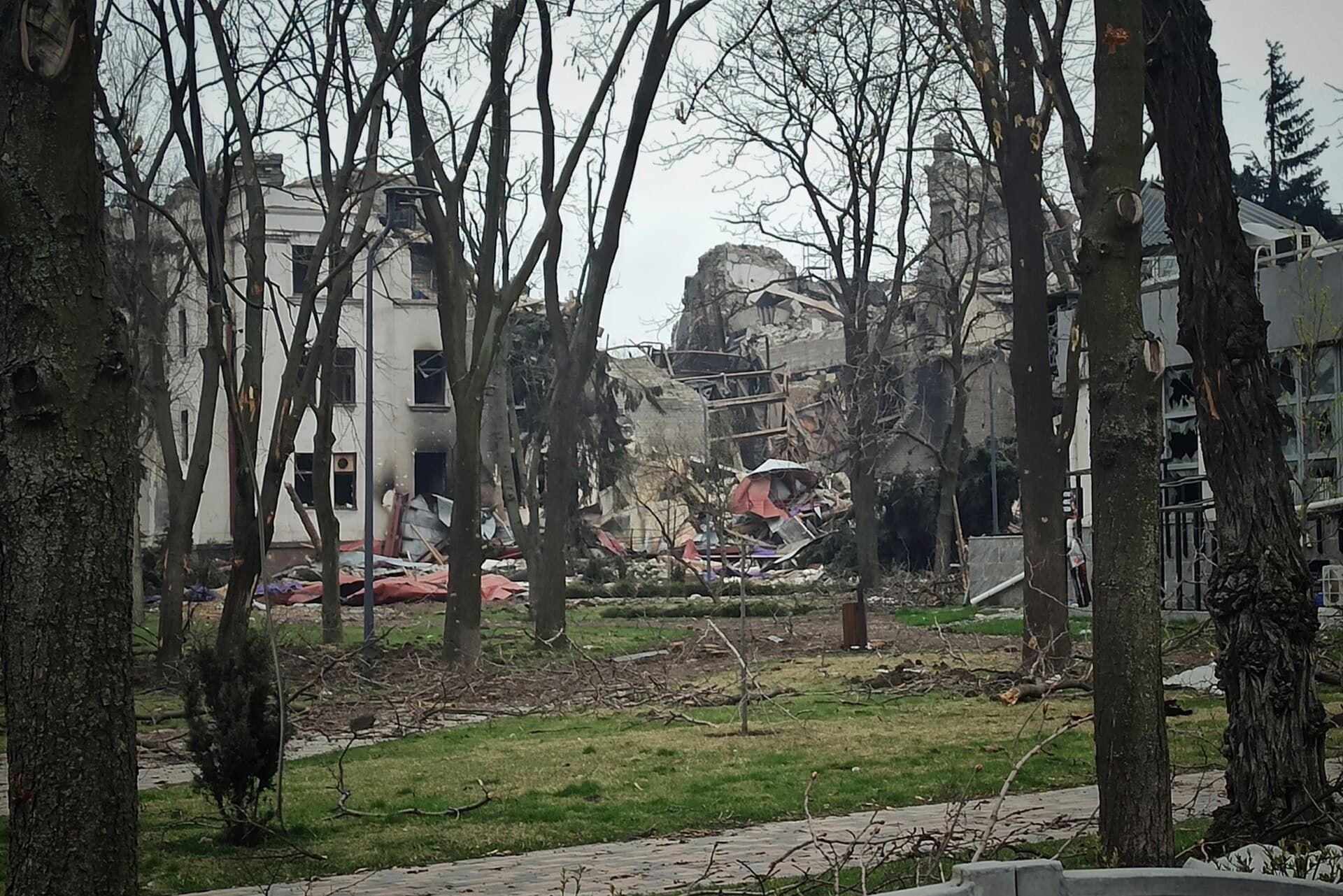
Donetsk Academic Regional Drama Theatre

Hundreds of civilians were sheltering in the city’s drama theatre when it was bombed. The word ДЕТИ — CHILDREN — had been written on the pavement outside in white letters large enough to be read from the air, and photographed by satellite two days before the strike. An Associated Press investigation concluded close to 600 people died there, the deadliest known single attack on Ukrainian civilians to that point in the war.

Reported by AP / PBS NewsHour · CBS News

The ruined Mariupol drama theatre, its roof and auditorium collapsed
The drama theatre, April 2022. Olena Suhak · CC BY-SA 4.0

From the shelves

The Donbas, before and after.

The War Came to Us

Christopher Miller · 2023

Cover of Grey Bees

Grey Bees

Andrey Kurkov · 2020

Skovorodynivka, Kharkiv region

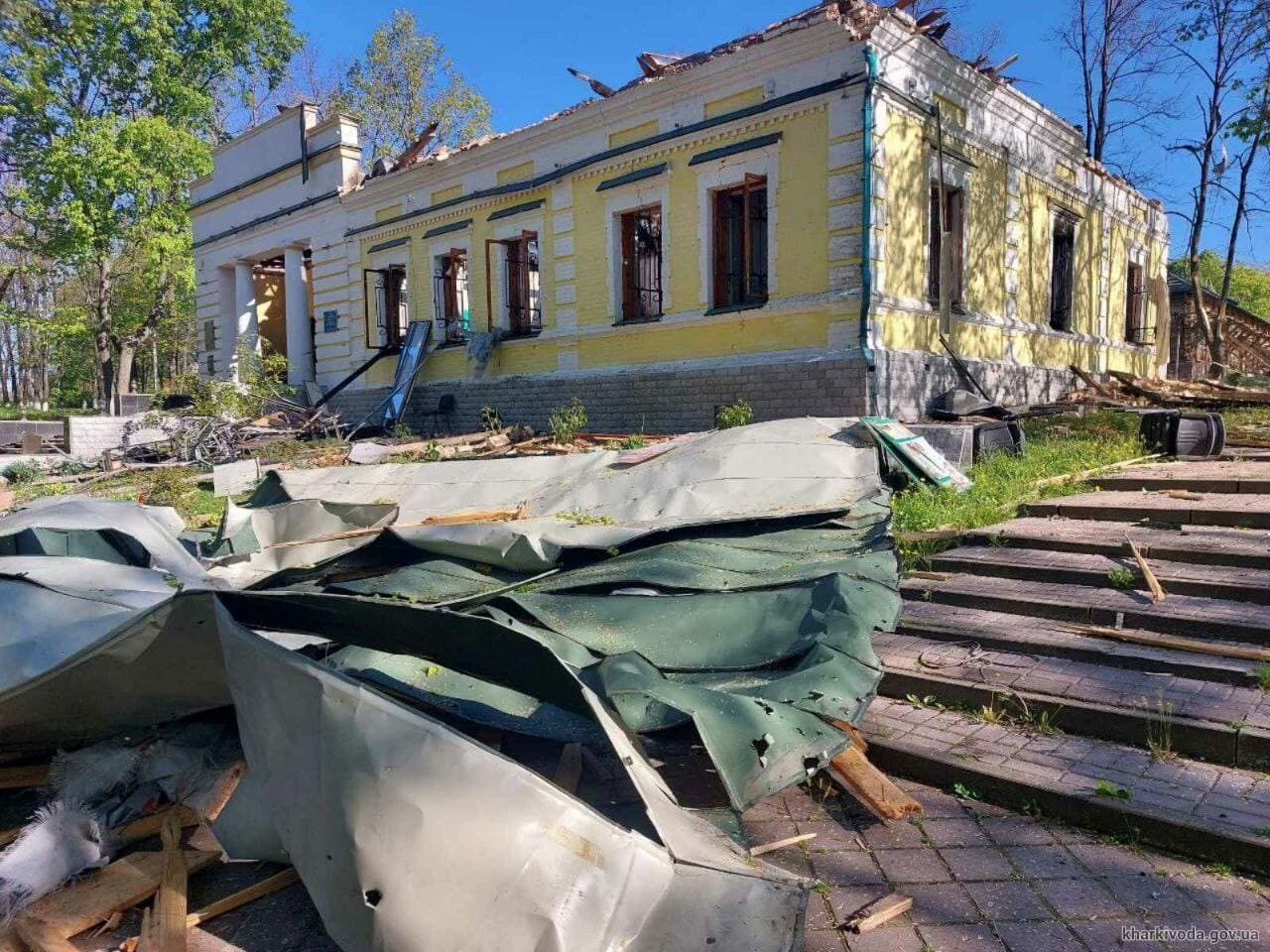
Hryhorii Skovoroda National Literary Memorial Museum

Hryhorii Skovoroda is Ukraine’s wandering philosopher-poet, and the museum kept his memory in the 18th-century manor where he spent his last years. A missile came through the roof late in the evening — in the year of his 300th birthday — and the fire gutted the building overnight. The caretaker that night, the director’s son, was pulled injured from the rubble. The collection, evacuated in advance, survived; so did the statue of Skovoroda, left standing in the burned-out shell.

“The world tried to catch me, but never could,” reads the epitaph he wrote for himself. It is hard not to hear it in the ruins.

Reported by CNN · Ukrinform

The burned-out Skovoroda museum in Skovorodynivka, its roof gone, debris on the ground
The museum, the morning after. The statue survived inside. Kharkiv Regional State Administration · CC BY 4.0

From the shelves

His songs; his region, under the same sky.

The Garden of Divine Songs

Hryhory Skovoroda · 2016

Cover of Sky Above Kharkiv

Sky Above Kharkiv

Serhiy Zhadan · 2023

Sviatohirsk, Donetsk region

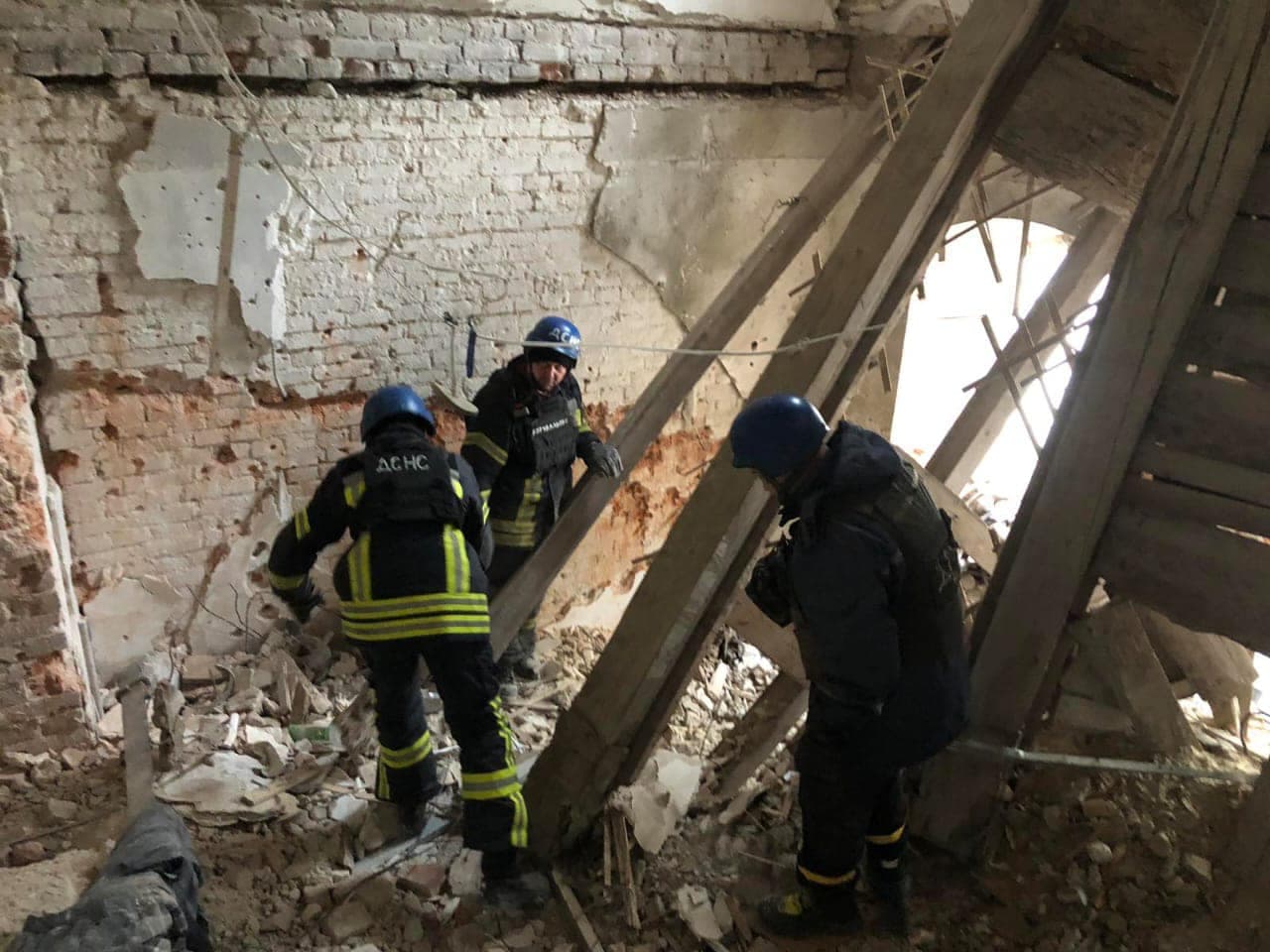
All Saints Skete, Sviatohirsk Lavra

The Sviatohirsk Lavra is one of the great monasteries of Orthodox Christianity, caves and gilded churches stacked above the Siverskyi Donets river. On June 1, shelling of the monastery killed two monks and a nun. Three days later the All Saints Skete — a vast timber church raised in 2009 on the footprint of its 1912 predecessor, called the largest wooden church in Ukraine — caught fire under shelling and burned to its foundations while the monastery sheltered monks and displaced families.

Reported by Euronews · Ukrainska Pravda

Rescue workers clearing rubble from a shell-damaged building of the Sviatohirsk Lavra
Rescue workers clear rubble at the Lavra, October 2022. State Emergency Service of Ukraine · CC BY 4.0

From the shelves

The faith, and the occupied east.

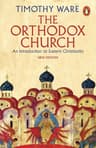
Cover of The Orthodox Church

The Orthodox Church

Timothy Ware · 2015

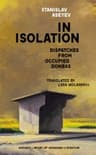
Cover of In Isolation: Dispatches from Occupied Donbas

In Isolation: Dispatches from Occupied Donbas

Stanislav Aseyev · 2022

Kherson

Oleksii Shovkunenko Regional Art Museum

In the days before retreating across the Dnipro, Russian forces emptied Kherson’s art museum: roughly 10,000 works — most of its collection — packed onto trucks over five days and driven to Crimea, according to a Human Rights Watch investigation. It was part of what has been described as the largest campaign of art looting in Europe since the Second World War. The empty frames stayed on the walls.

Reported by Human Rights Watch · NBC News

The Kherson Regional Art Museum, housed in the ornate former City Duma building
The museum, housed in Kherson’s old City Duma. Vale Mavka · CC BY-SA 4.0

From the shelves

Looting has a history. So does getting it back.

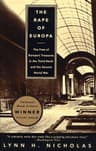
Cover of The Rape of Europa

The Rape of Europa

Lynn H. Nicholas · 1994

Cover of The Russo-Ukrainian War

The Russo-Ukrainian War

Serhii Plokhy · 2023

An interlude

The diary under the cherry tree

Kapytolivka & Kyiv · March 2022 — July 2023

Volodymyr Vakulenko wrote children’s books. When Russian forces occupied his village near Izium in March 2022, he kept a diary — thirty-six handwritten pages, the shrinking daily facts of life under occupation. Sensing he would be taken, he buried it in the family garden under a cherry tree and told his father to dig it up “when our people come.” Days later, soldiers took him away.

That September, after Izium was liberated, the novelist Victoria Amelina came to the village with a war-crimes research team. Vakulenko’s father led her to the tree, and she dug the diary out of the earth with her own hands and passed it to the Kharkiv Literary Museum. In November, DNA testing confirmed that one of the 447 bodies exhumed from the forest graves outside Izium — No. 319 — was his. He had been shot.

The Kharkiv publisher Vivat brought out the diary in June 2023, with his selected poems and a foreword by Amelina, and she presented it at the Book Arsenal festival in Kyiv. Days later, she was at a restaurant in Kramatorsk when a Russian ballistic missile hit it. She died of her wounds on July 1, the strike’s thirteenth victim. Her own war diary, Looking at Women Looking at War, was published after her death.

Two writers, one buried manuscript, and a chain of hands that refused to let a record disappear. This is the whole argument for books, made twice, at the highest price. The diary has yet to appear in English.

Reported by NPR · PEN Ukraine

Portrait of the writer Victoria Amelina
Victoria Amelina at a literary festival in Wrocław, 2018. Rafał Komorowski · CC BY-SA 4.0

From the shelves

The diary, and the diary of its rescuer.

I Am Transforming… A Diary of Occupation

Volodymyr Vakulenko-K. · 2023

Looking at Women Looking at War

Victoria Amelina · 2025

2023

Odesa

The historic centre, inscribed as World Heritage in Danger

In a single emergency decision, UNESCO inscribed the historic centre of Odesa on the World Heritage List and, in the same breath, on the List of World Heritage in Danger — while the city was under missile attack. Pushkin wrote here; so did Babel. The listing obliges every signatory of the World Heritage Convention, Russia included, to refrain from deliberately harming the site. It was a bet that naming a thing precious might help keep it standing.

Reported by UNESCO · UN News

From the shelves

The city of dreams, on paper.

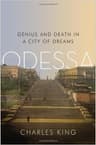
Cover of Odessa: Genius and Death in a City of Dreams

Odessa: Genius and Death in a City of Dreams

Charles King · 2011

Oleshky, Kherson region

The painted house of Polina Rayko

When the Kakhovka dam was destroyed in the early hours of June 6 — Ukraine and Western governments hold the Russian forces controlling it responsible — the flood drowned villages down the Dnipro, and with them one of the region’s most tender museums: the little house in occupied Oleshky that Polina Rayko, beginning at age 69, had covered wall to ceiling with painted angels, birds, and scenes from her own life. When the water receded, roughly a third of the frescoes remained, those nearest the ceiling.

Reported by The Art Newspaper · Babel (Ukraine)

From the shelves

The nation’s art, kept in one volume.

Cover of Treasures of Ukraine

Treasures of Ukraine

Foreword by Andrey Kurkov · 2022
Odesa

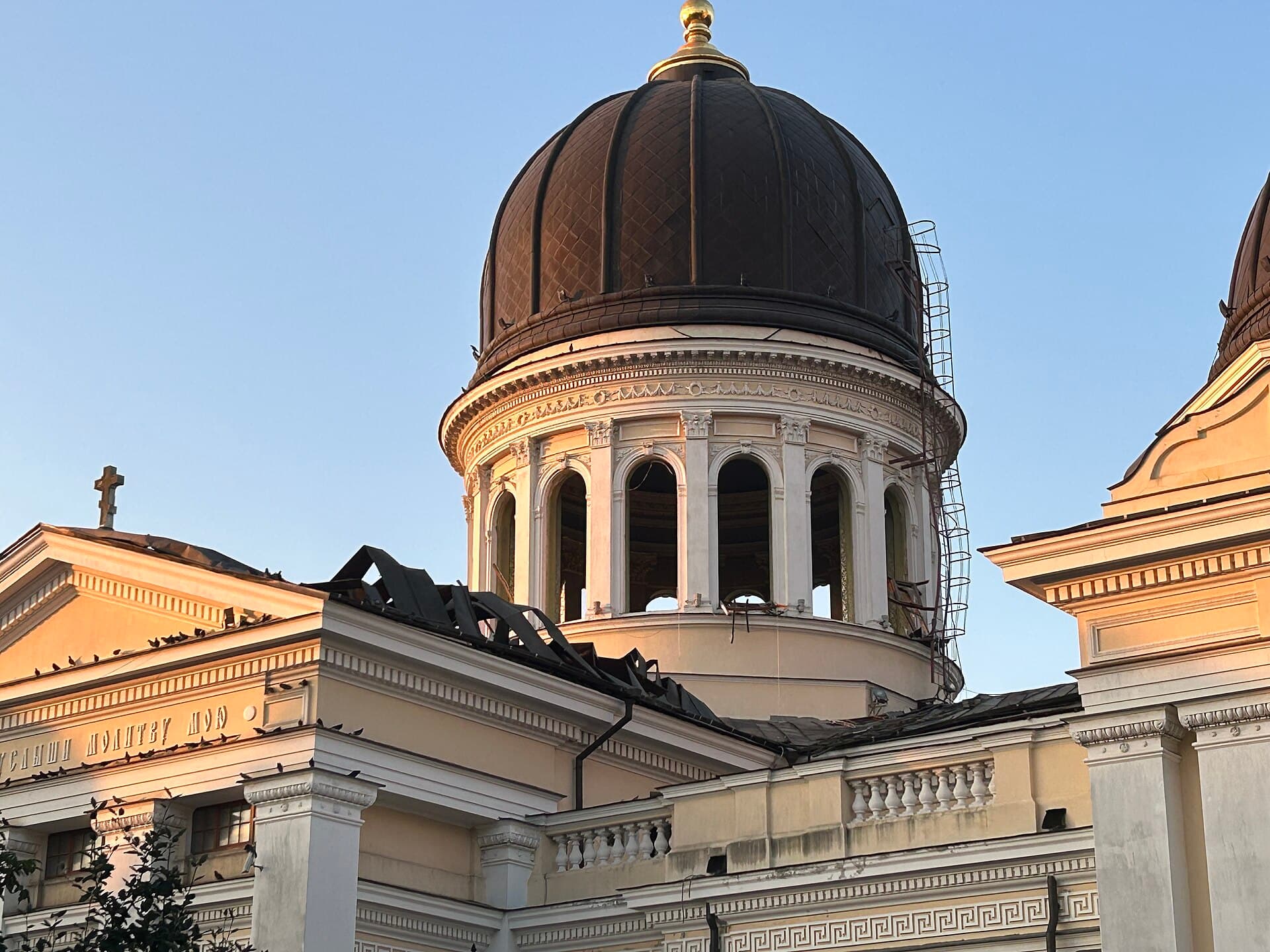
Transfiguration Cathedral

The largest church in Odesa took a direct missile hit in a night of strikes on the historic centre — six months after the UNESCO listing meant to protect the district around it. The cathedral had been founded in 1794, demolished by the Soviets in 1936, and rebuilt by the city in the 2000s; the blast destroyed the altar and tore away much of the roof. Rescuers carried the venerated Kasperovska icon of the Mother of God intact from the rubble. One person died in the night’s attack, and about 22 were wounded, two of them inside the cathedral.

Reported by Smithsonian Magazine · NPR

The dome of Odesa’s Transfiguration Cathedral above blast damage, hours after the strike
The cathedral, hours after the strike. Oleksandr Levytskyi · CC BY-SA 4.0

From the shelves

A church destroyed twice in one century.

Cover of The Orthodox Church

The Orthodox Church

Timothy Ware · 2015

Kyiv & Lviv

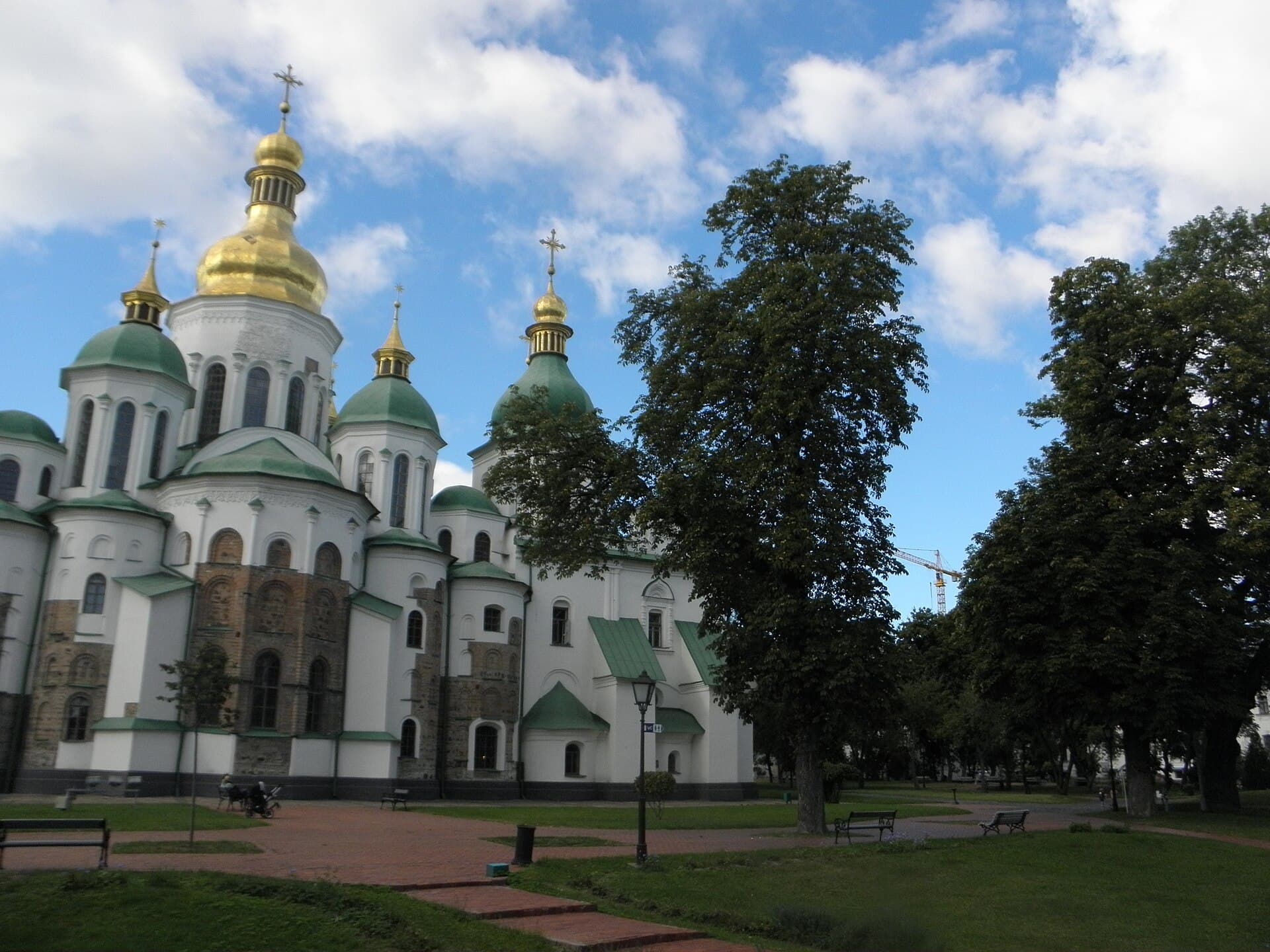
Saint Sophia, the Kyiv-Pechersk Lavra & the old city of Lviv

At a single session, UNESCO placed Ukraine’s two oldest World Heritage properties — the eleventh-century Saint Sophia Cathedral with the Lavra monastery complex in Kyiv, and the historic centre of Lviv — on the List of World Heritage in Danger, citing the threat of direct attack and of shockwave damage from the bombardment of both cities. Saint Sophia has stood for nearly a thousand years; its mosaics and frescoes are among the greatest surviving art of Kyivan Rus.

Reported by UNESCO · Smithsonian Magazine

The golden domes of Saint Sophia Cathedral in Kyiv against the sky
The domes of Saint Sophia, Kyiv. Vi Ko · CC BY-SA 4.0

From the shelves

A thousand years, one volume.

Cover of The Gates of Europe: A History of Ukraine

The Gates of Europe: A History of Ukraine

Serhii Plokhy · 2015

Odesa

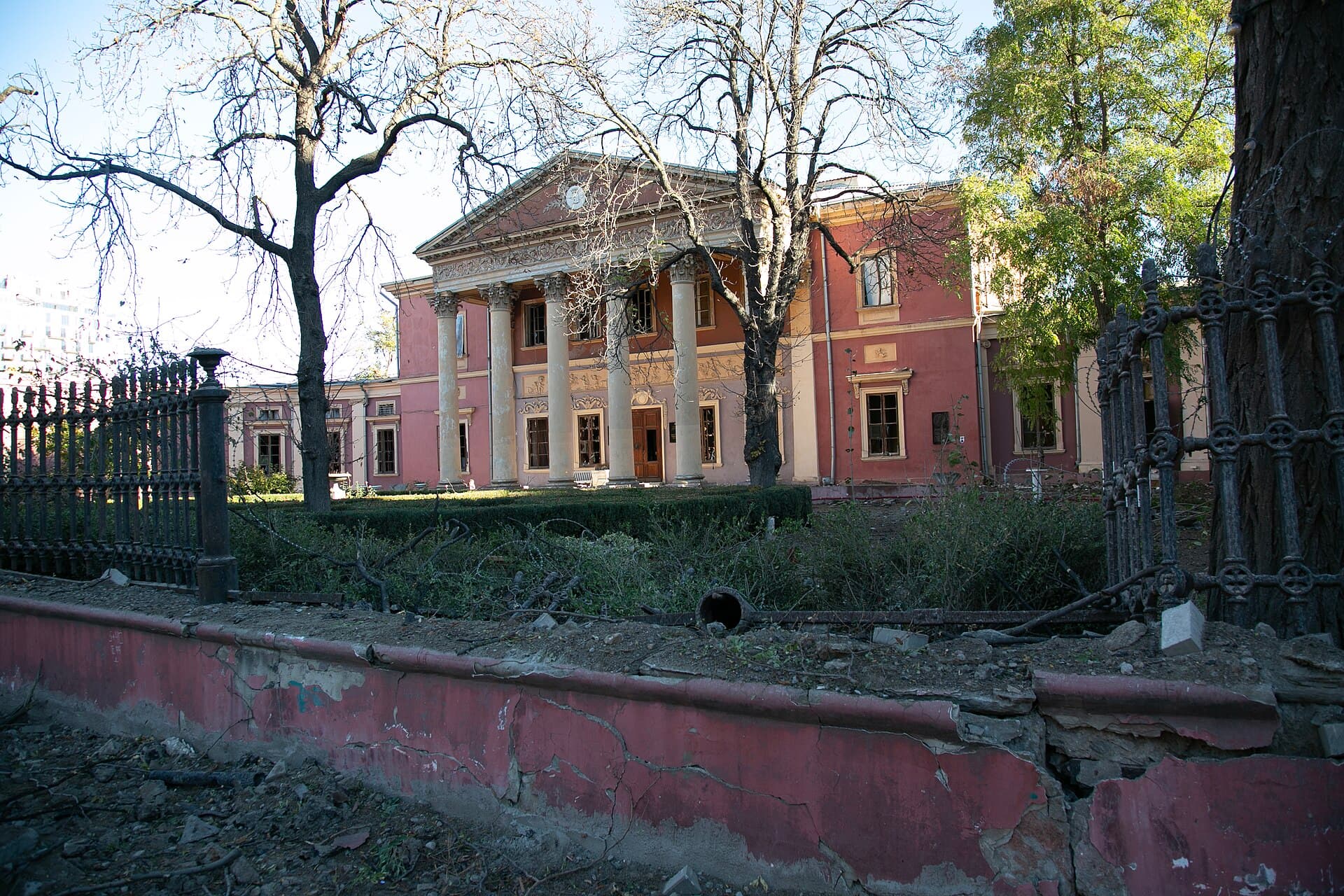
Odesa National Fine Arts Museum

A missile landed in the street some fifty meters from the museum — the early-19th-century Potocki Palace — on the eve of its 124th birthday, cratering the road, shattering windows, cracking walls, and knocking paintings from them. The museum cancelled its anniversary and published instead the list of exhibitions it could no longer show. Its most valuable works had been carried down to safety long before.

Reported by The Art Newspaper · Al Jazeera

The Potocki Palace, home of the Odesa Fine Arts Museum, after the November 2023 strike
The Potocki Palace, the morning after. Oleksandr Voropaiev · CC BY-SA 4.0

From the shelves

Odesa’s storyteller, for Odesa’s galleries.

Odessa Stories

Isaac Babel · 2016

2024

Kharkiv

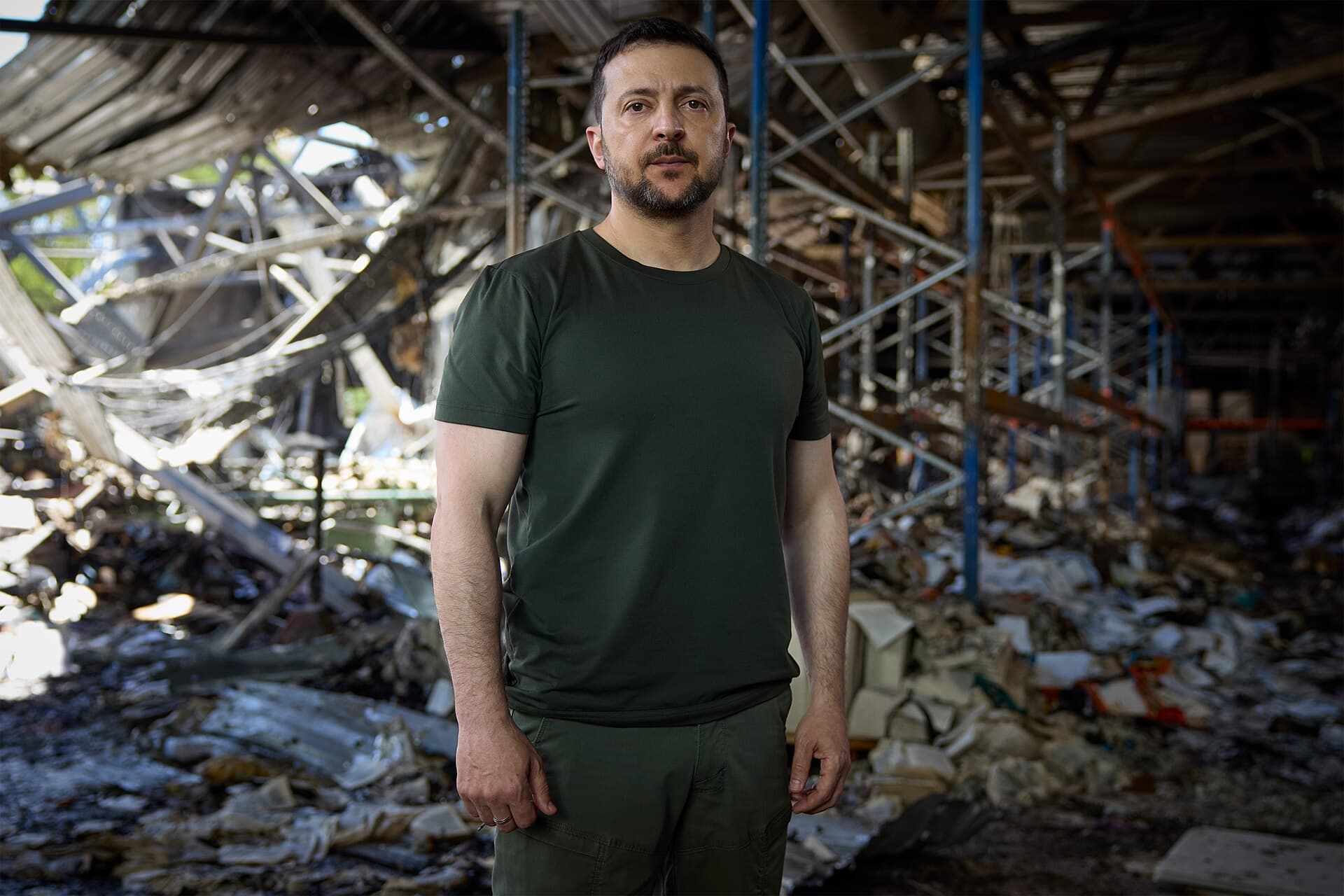
Factor Druk printing house

Kharkiv prints about eighty percent of Ukraine’s books, and Factor Druk was one of the largest printing plants in Europe — presses for some thirty publishers, about a third of all books printed in the country. Missiles struck the plant mid-shift. Seven printing workers were killed, around twenty were wounded, and more than 50,000 finished books burned with the presses.

Within a year the plant was rebuilt and printing again. The books were reprintable. The seven people were not.

Reported by The Kyiv Independent · Chytomo

Stacks of burned books inside the ruined Factor Druk printing plant in Kharkiv
Burned books at Factor Druk, May 2024. Press Service of the President of Ukraine · CC0

From the shelves

Why books burn — and a novel from this same city.

Cover of Burning the Books

Burning the Books

Richard Ovenden · 2020

Cover of The Orphanage

The Orphanage

Serhiy Zhadan · 2021

Kharkiv

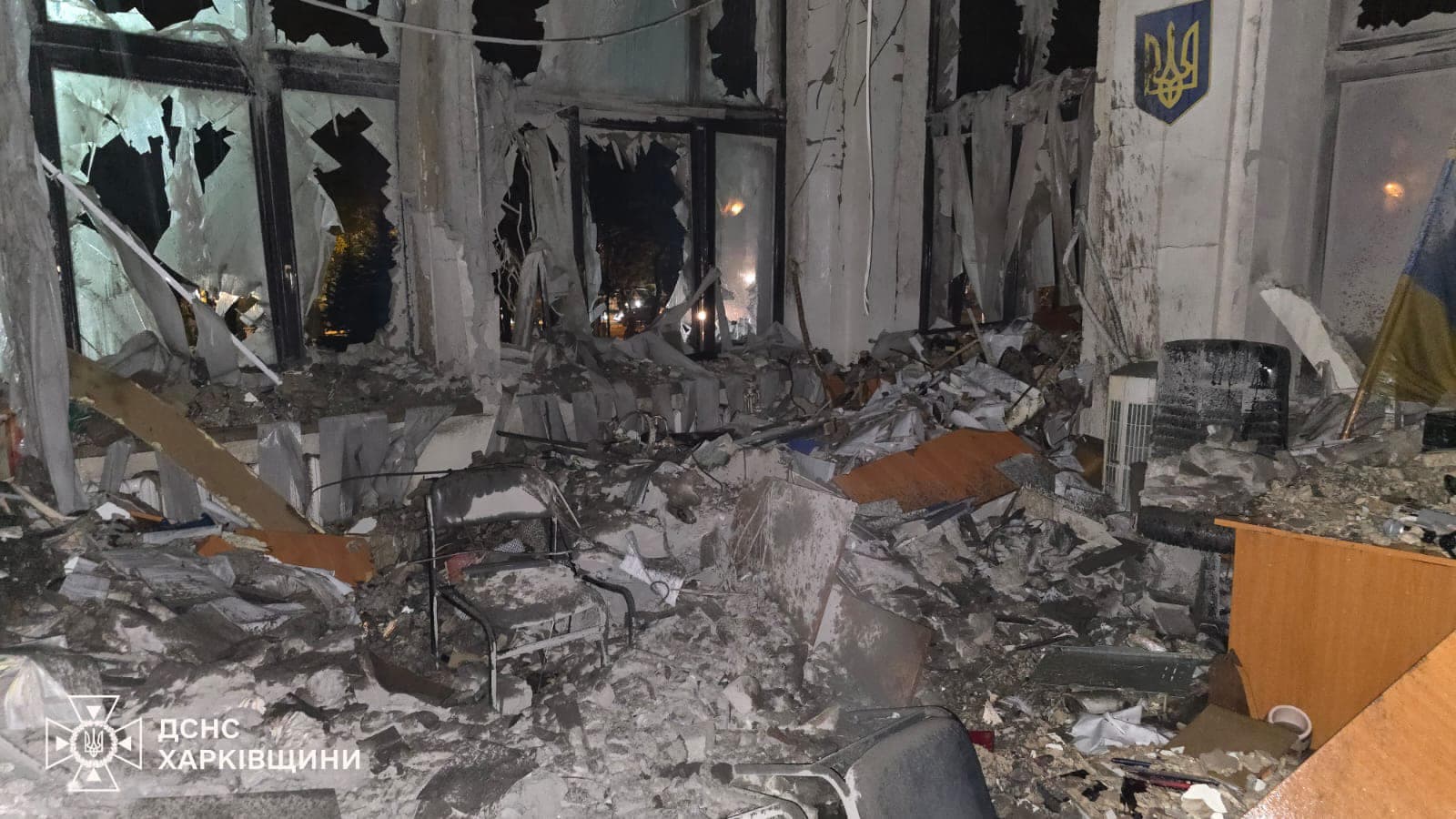
Derzhprom

Derzhprom is the constructivist skyscraper complex of 1928 — the largest civilian Constructivist building in the world, raised when Kharkiv was the capital of Soviet Ukraine, and a candidate for the World Heritage List. A 500-kilogram guided bomb struck it in the evening, wrecking floors, walls, and roof and injuring six people in the surrounding square.

Reported by CNN · Ministry of Culture of Ukraine

Emergency crews at Derzhprom in Kharkiv after the guided-bomb strike, floodlit at night
Derzhprom, the night of the strike. State Emergency Service of Ukraine · CC BY 4.0

From the shelves

Dispatches from under the same sky.

Cover of Sky Above Kharkiv

Sky Above Kharkiv

Serhiy Zhadan · 2023

2025–26

Odesa

The historic centre, again

Ballistic missiles struck the middle of the UNESCO-protected old city, damaging some fifteen heritage buildings — among them the Philharmonic — and injuring seven people. It followed a November barrage that had damaged twenty more historic, religious, and educational buildings, some already patched once. The danger listing did not stop the strikes. It only ensured that each one was catalogued.

Reported by The Kyiv Independent · UNESCO

From the shelves

Still the city of dreams.

Cover of Odessa: Genius and Death in a City of Dreams

Odessa: Genius and Death in a City of Dreams

Charles King · 2011

Kyiv

The publishers’ warehouses

Kyiv’s book infrastructure was hit twice in thirteen months. In June 2025, the deadliest strike on the capital in nearly a year burned the warehouse of the publisher Ukrainskyi Priorytet — tens of thousands of books across 130 titles. Then, in a single July night in 2026, missiles and drones destroyed the warehouse of the publisher #knygolove, the printing halls of Konvi — where a quarter-million newly printed ninth-grade textbooks were waiting for the school year — and the office of Mison, a small press one day from its first book launch. Around 850,000 books were destroyed or damaged before morning.

Reported by Chytomo · The Kyiv Independent

From the shelves

On what a burned library actually loses.

Cover of The Library Book

The Library Book

Susan Orlean · 2018

The occupied territories

The libraries of the occupied east and south

In the occupied territories the destruction is quieter and more deliberate. Occupation authorities have stripped Ukrainian-language history, poetry, and children’s books from library shelves as “extremist”; Ukrainian institutions report that in occupied Donetsk and Luhansk nearly all Ukrainian literature has been removed or destroyed, with some 2.5 million Russian books shipped in to replace it. In June 2026, Reuters reported that Moscow’s state library had locked 18,000 books removed from Ukrainian shelves into a restricted repository. It is the oldest pattern of conquest: erase the record, and the place forgets itself.

Reported by Reuters · East SOS · Holodomor Museum

From the shelves

The long history of exactly this.

Cover of A Universal History of the Destruction of Books

A Universal History of the Destruction of Books

Fernando Báez · 2008

Cover of Libricide

Libricide

Rebecca Knuth · 2003

Keeping the record

What people save first

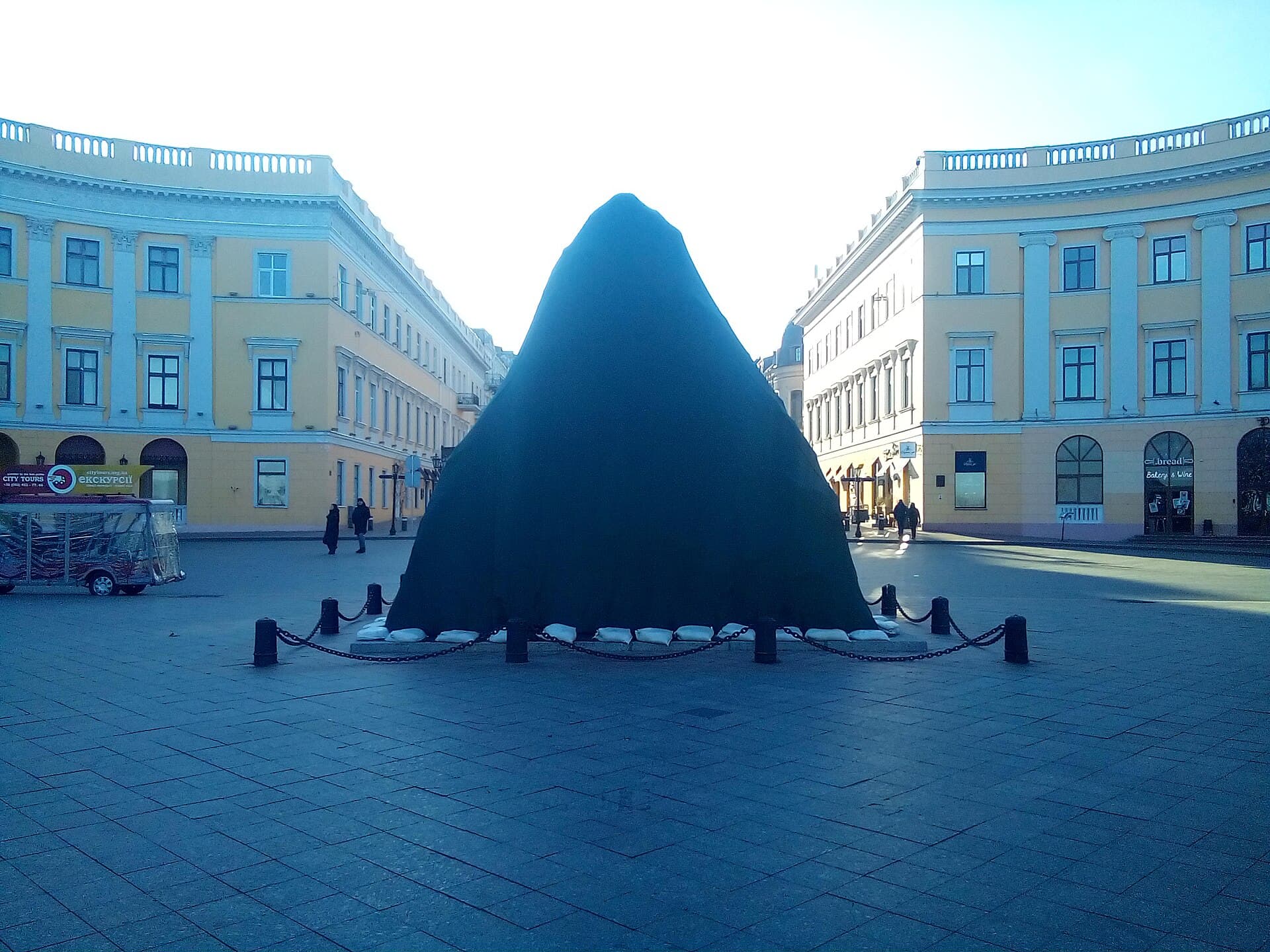
In the first weeks of the invasion, before anyone could say how bad it would get, Ukrainians began wrapping their cities. Monuments disappeared under sandbags and scaffolding. Stained glass went behind steel plate. Museum staff worked through air-raid alarms, carrying collections down into basements that had last been used this way in 1941.

The digital rescue moved just as fast. Within two weeks, a volunteer effort called SUCHO — Saving Ukrainian Cultural Heritage Online — had organized more than 1,500 librarians, archivists, and programmers around the world to copy the websites and digital collections of Ukrainian institutions before the servers behind them could be destroyed: more than 5,000 sites, some 50 terabytes — finding aids, digitized manuscripts, local-history archives, the online memory of buildings that were already burning.

And where nothing else could be saved, people saved the record. Families fled with photographs and birth certificates; parishes carried out their registries; the diary went into the ground under the cherry tree. It is the oldest instinct of displacement — when you cannot carry the thing, you carry the proof of it. Catalogs and inventories are how looted art gets claimed back and how ruined buildings get rebuilt true. The record is not a substitute for the place. It is the argument that the place existed, and the plan for its return.

Reported by SUCHO · Stanford Libraries

From the shelves

Books about saving books.

Cover of The Book Collectors

The Book Collectors

Delphine Minoui · 2020

Cover of The Bad-Ass Librarians of Timbuktu

The Bad-Ass Librarians of Timbuktu

Joshua Hammer · 2016

The Duke de Richelieu monument in Odesa completely encased in protective sandbags
The Duke de Richelieu monument in Odesa, wrapped against the blast. Viktor Polianko · CC BY-SA 4.0

Why a book company wrote this

LumiLexicon exists to make records of books — what they are, where they came from, whose hands they passed through. Work like that teaches you one thing above all: the record outlives the shelf. A catalog written today can outlast the room it describes, the collection it lists, sometimes the city around both. That is not a morbid thought. It is the most hopeful one we know. Places can be taken. What we wrote down about them cannot.

— The LumiLexicon Desk

Ways to help

PEN UkraineSupports Ukrainian writers and documents crimes against culture.SUCHOVolunteers digitally archiving Ukrainian cultural heritage.ALIPH FoundationFunds emergency protection of heritage in conflict zones.
Sources & further reading

The ledger, so far

UNESCO Damaged cultural sites in Ukraine verified by UNESCO

Ukrinform Russia damages 1,783 cultural heritage sites in Ukraine (Ministry of Culture figures)

PEN Ukraine They Were Killed by Russia: Figures of Ukrainian Culture

February 27, 2022 — Ivankiv Historical and Local History Museum

The Art Newspaper Ukraine museum reportedly burns down in Russian invasion, destroying works by folk artist Maria Prymachenko

Euromaidan Press The improbable saga of Prymachenko’s rescued art

March 1, 2022 — The TV tower at Babyn Yar

NPR Russia bombards a Kyiv TV tower and the Babyn Yar Holocaust memorial site

The Times of Israel Russia strikes Kyiv TV tower, killing 5 and damaging Babyn Yar Holocaust site

March 11 & 29, 2022 — The Tarnovsky building & the Korolenko Library

The Art Newspaper Museum building heavily damaged in Ukraine’s battle-ravaged city of Chernihiv

Ministry of Culture of Ukraine Korolenko Chernihiv Regional Universal Library needs funds for reconstruction

March 16, 2022 — Donetsk Academic Regional Drama Theatre

AP / PBS NewsHour ‘They thought they were safe’: AP investigation reveals 600 likely died in Mariupol theater airstrike

CBS News 600 people possibly killed in Russian airstrike on Mariupol theater, evidence shows

May 6, 2022 — Hryhorii Skovoroda National Literary Memorial Museum

CNN Ukrainian cultural landmarks suffer fresh blows as Hryhorii Skovoroda museum is hit

Ukrinform Skovoroda Museum destroyed in fire caused by Russia’s missile strike

June 4, 2022 — All Saints Skete, Sviatohirsk Lavra

Euronews Historic wooden Orthodox church burns down in Donetsk monastic complex

Ukrainska Pravda Sviatohirsk Lavra shrine in Donetsk region in flames after Russian shelling

October 31 – November 4, 2022 — Oleksii Shovkunenko Regional Art Museum

Human Rights Watch Ukraine: Russians pillage Kherson cultural institutions

NBC News ‘Just the way the Nazis did’: Evidence suggests Russians are stealing art from Ukraine on a World War II scale

January 25, 2023 — The historic centre, inscribed as World Heritage in Danger

UNESCO Odesa inscribed on UNESCO’s World Heritage List in the face of threats of destruction

UN News Odesa added to UNESCO’s World Heritage List amid threats of destruction

June 6, 2023 — The painted house of Polina Rayko

The Art Newspaper Devastating dam collapse in Ukraine has apparently flooded house museum of late artist Polina Rayko

Babel (Ukraine) The water went out of the house-museum of Polina Raiko in occupied Oleshky

July 23, 2023 — Transfiguration Cathedral

Smithsonian Magazine Russian strike severely damages Odesa’s Transfiguration Cathedral

NPR A Russian strike on Ukraine’s Odesa has killed one and badly damaged a cathedral

September 15, 2023 — Saint Sophia, the Kyiv-Pechersk Lavra & the old city of Lviv

UNESCO Ukraine: UNESCO sites of Kyiv and L’viv are inscribed on the List of World Heritage in Danger

Smithsonian Magazine UNESCO adds sites in Kyiv and Lviv to List of World Heritage in Danger

November 5, 2023 — Odesa National Fine Arts Museum

The Art Newspaper Odesa Museum of Fine Arts rocked by Russian missile strike on 124th anniversary

Al Jazeera Russia bombards Ukrainian grain port Odesa

May 23, 2024 — Factor Druk printing house

The Kyiv Independent What will Russia’s attack on Kharkiv printing house mean for Ukraine’s publishing industry?

Chytomo A month after the Russian strike on Kharkiv printing house: the impact on the industry

October 28, 2024 — Derzhprom

CNN Russia bombs historic Soviet skyscraper in Ukraine’s Kharkiv

Ministry of Culture of Ukraine Derzhprom after the attack: the condition of the monument following the strike

January 31, 2025 — The historic centre, again

The Kyiv Independent UNESCO condemns recent Russian attack on historic center of Odesa

UNESCO Odesa: UNESCO condemns strikes on World Heritage site

July 18–19, 2026 — The publishers’ warehouses

Chytomo Around 850,000 books destroyed or damaged overnight as Russian attack hits Ukraine’s publishing infrastructure

The Kyiv Independent ‘A brutal strike’ — massive Russian missile and drone attack hits Kyiv

2022 — ongoing — The libraries of the occupied east and south

Reuters Moscow library archives 18,000 “Russophobic” books from Ukraine

East SOS Ukrainian literature banned: evidence from the temporarily occupied territories

Holodomor Museum Russians are destroying Ukrainian literature in the occupied territory

The diary under the cherry tree

NPR She saved the diary of a Ukrainian writer killed by Russia. Then she was killed, too

PEN Ukraine Volodymyr Vakulenko’s book “I Am Transforming…” presented at Book Arsenal

Keeping the record

SUCHO Saving Ukrainian Cultural Heritage Online

Stanford Libraries SUCHO and Ukrainian Library Association receive Karl Preusker Medal

The Journal publishes occasionally, when there is something worth your time.

← Back to the Journal